
Tribalism, Faith, and a Netflix Movie
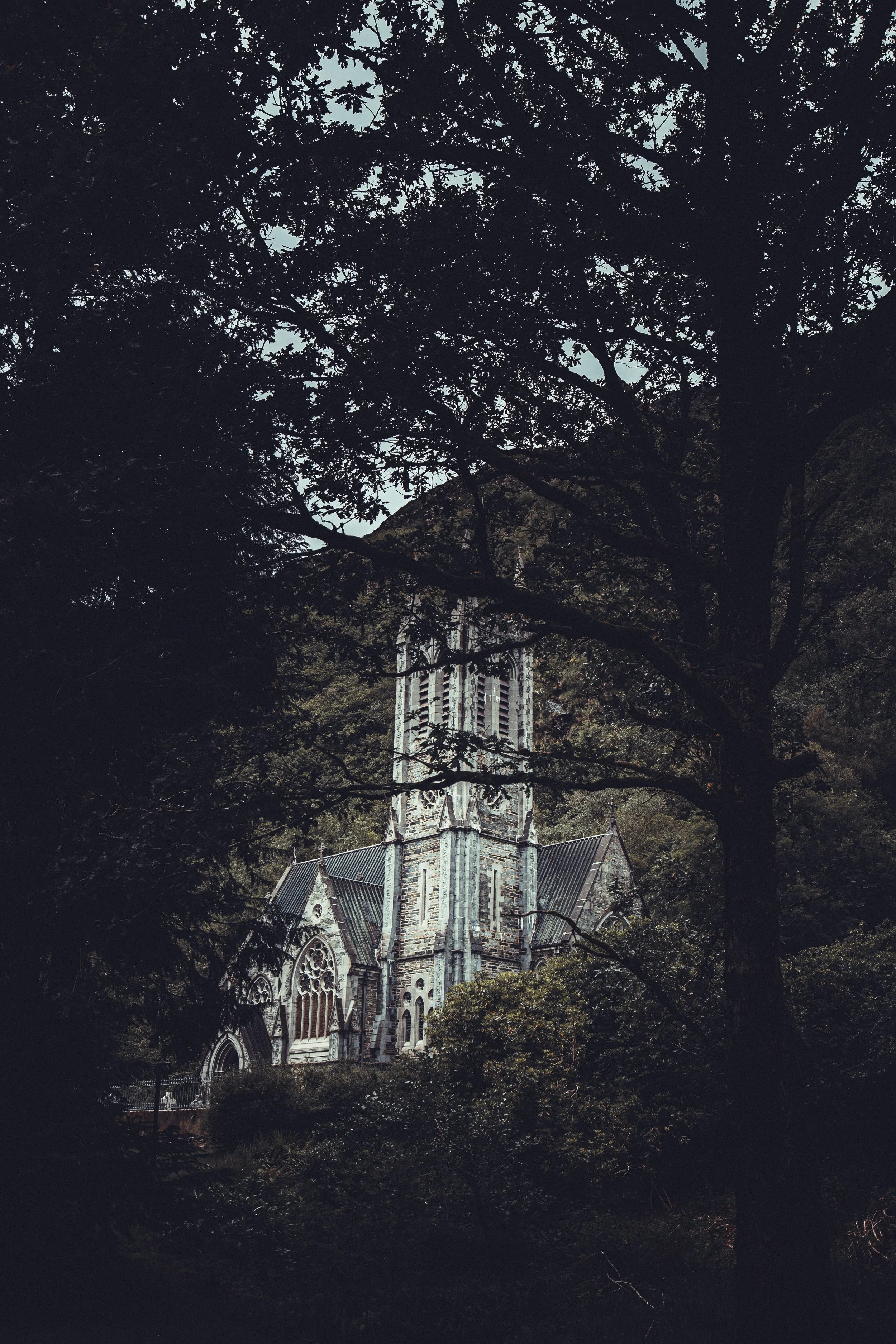
image: Kevin Bosc for Unsplash
I don't usually review movies; books and theatre are more my gig. But "Wake Up Dead Man," the third installment in the Knives Out mystery series, has stayed in my thoughts for so long that it's impossible to not write about it.
It's a mystery, yes, but the mystery actually takes second place to another story, a story about competing visions of religion—specifically, Christianity.
Father Jud Duplenticy (Josh O'Conner) is being reassigned by his bishop, who sees him as someone willing to take on the Enemy—the young priest is a former boxer—and is sent to the parish of the redoubtable Monsignor Jefferson Wicks (Josh Brolin). Wicks may be, as described by the bishop, "a few beads short of a rosary," but he has cultivated a small, devoted following of wealthy parishioners who all think they can find answers to their own challenges through the Church—and more specifically through their pastor. But when Wicks is murdered at the Good Friday liturgy, everyone becomes a suspect, and Benoit Blanc (Daniel Craig) arrives to help the local cops solve the case.
So far, so good. And while the film embraces all the tropes of a classic mystery, it is smaller and more personal in scale than the first two films in the Knives Out franchise. Its meditation on faith is at once irreverent and generous, treating the topic and its significance in peoples’ lives with the attention it deserves.
The conflict between Father Jud and Monsignor Wicks isn't just about a clash of personalities: it's a theological struggle as well—they each proclaim a different image of God. For Wicks, it is about dividing people into "us" versus "them," while for Jud it's about welcoming everyone, no matter what.
Those conflicting views, that tribalism if you will, are borne out every day in our own country: we all want to feel that we belong and that others don't. One small example I've encountered is in language: on Cape Cod, where I live, we refer to those who didn't grow up here as "washashores;" I remember that when I lived in Vermont the term was "flatlanders." Language immediately sets the cool kids' table well away from the others.
And we all want to be part of the cool kids' clique.
Wicks is cruel, divisive, and very clear about who should belong and who should not. In that sense, he is the personification of Christian nationalism in America, in which faith is manipulated to become political. Jud is representative of a religion that actually reads Scriptures and tries to live them out as fully as possible. He asserts that the real work of a priest is not to fight the world, but to embrace it, “to show broken people like me the forgiveness and love of Christ.”
“This,” he says, spreading his arms wide in welcome. Then he raises his fists. "Not this."
So the film questions us—and our own beliefs and behavior. Do we want churches that turn people away, or churches that welcome them? Do we want a country that turns people away, or one that welcomes everyone?
It's odd that, for me, it was a movie that made me see that tribalism most clearly. You may want to check it out, too.
Jeannette de Beauvoir is a novelist and poet who lives and works at Land’s End (Provincetown, Massachusetts).