
Try to remember
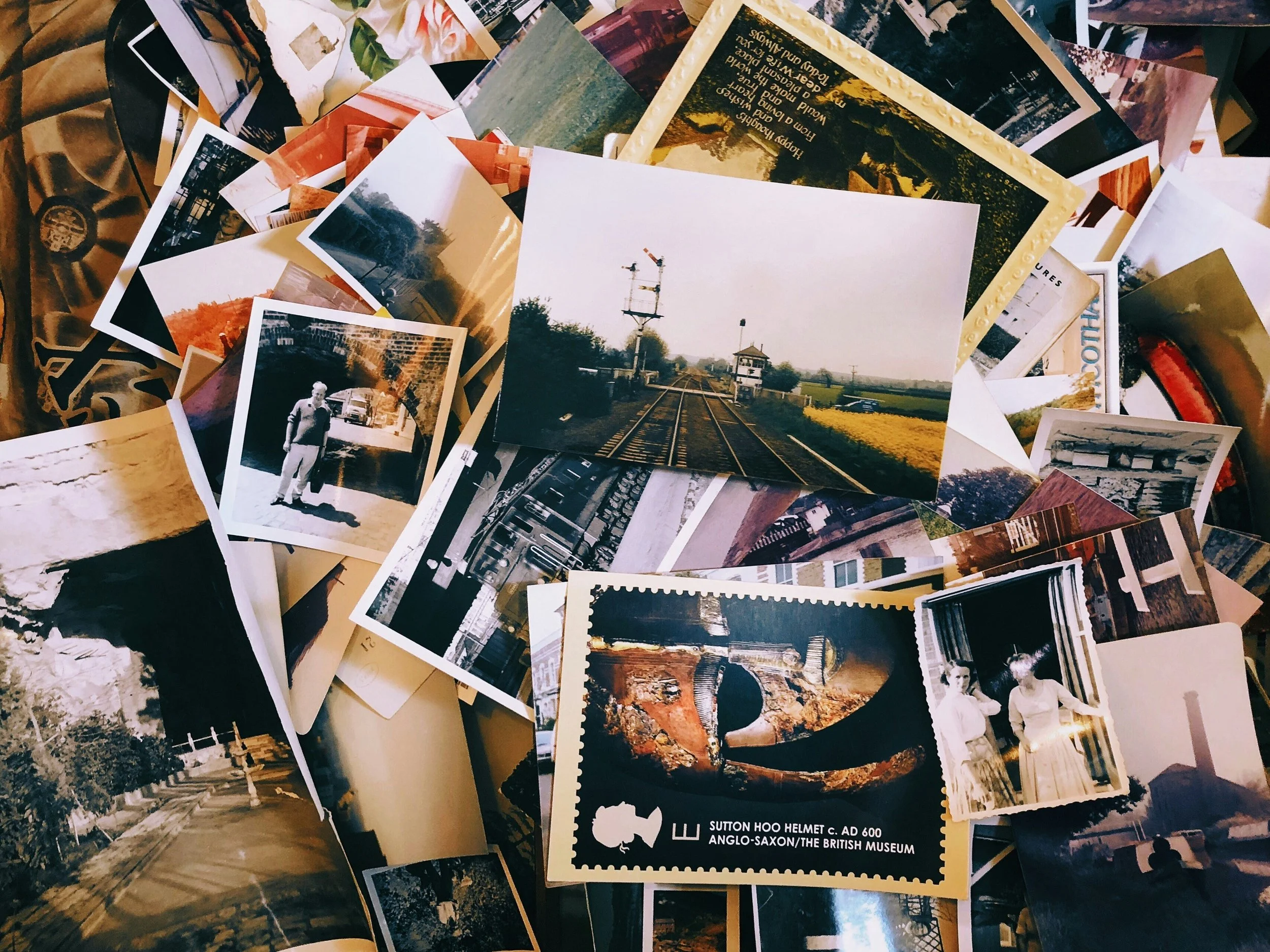
image: Jon Tyson for Unsplash
I have a friend who claims she remembers everything perfectly—from something I said to her last week to something her mother said to her in 1982. As I am myself at an age when my memory is less and less reliable, I'm envious; I'm lucky if I get through a day without forgetting to write a promised email or realizing someone's birthday I'm meant to be celebrating is—tomorrow.
But the reality is, she's incorrect. She may believe it to be true; but it simply is not. No one remembers everything.
There are good reasons for that. Charan Ranganath, professor of psychology and neuroscience at the University of California/Davis, points out it's evolutionary: if we remembered everything, we couldn’t function—too much sensory overload, a bad thing on the savannah with predators circling. Instead, our brains wisely choose to store the stuff that matters: the new, potentially hazardous stuff. “Our brains are designed to give us the most information with the least amount of resources,” says Ranganath. “That allows us to be cognitively nimble and flexible, with very little energy consumption. There’s no free lunch in a biological system like memory.”
So: great for survival, but what does it do to us socially? Author Ian Dunt point out how this becomes problematic when we infuse the past with nostalgia, which he refers to as a "terrible drug." The current obsession with a bygone era that never existed as we remember it isn't just dangerous politically, it hurts how we live our lives. "It is a fiction which serves to undermine you at the point of experience and pile all the enthusiasm into whatever has already passed (...) it will suck all the joy from you, turning you into a passenger in your own life."
Psychologist and author Rick Miller tells of an experience he had upon returning to Rome when he wanted to revisit a restaurant he'd enjoyed on a past trip. He "knew" exactly where it was located—except that it wasn't there. The restaurant hadn't moved or closed, but his memory stubbornly told him where it should be. And that's a "factual" memory; retrieving other memories becomes even more problematic. "It's always been interesting to me," he says, "that three people attending the same event can come away with such different perceptions and memories that it's hard to perceive they're even describing the same occasion!"
Which brings us back to Dunt. "Things in the past only take shape and assume their current form once they are over," he notes. "Things in the present can therefore never live up to them. They can never provide the same degree of certainty, because they are still happening. So we live with this constant defect where we over-emphasize the innocence of what has gone and we underestimate the quality of what is happening."
What does all this have to do with storycrafting? Let's return to Ranganath, whose book Why We Remember compares our memories to a Monet lily pond. “Most paintings typically include some mixture of details that are faithful to the subject, details that are distorted or embellished, and inferences and interpretations that are neither absolutely true nor entirely false, but rather a reflection of the artist’s perspective,” Ranganath writes. “The same is true of memory.”
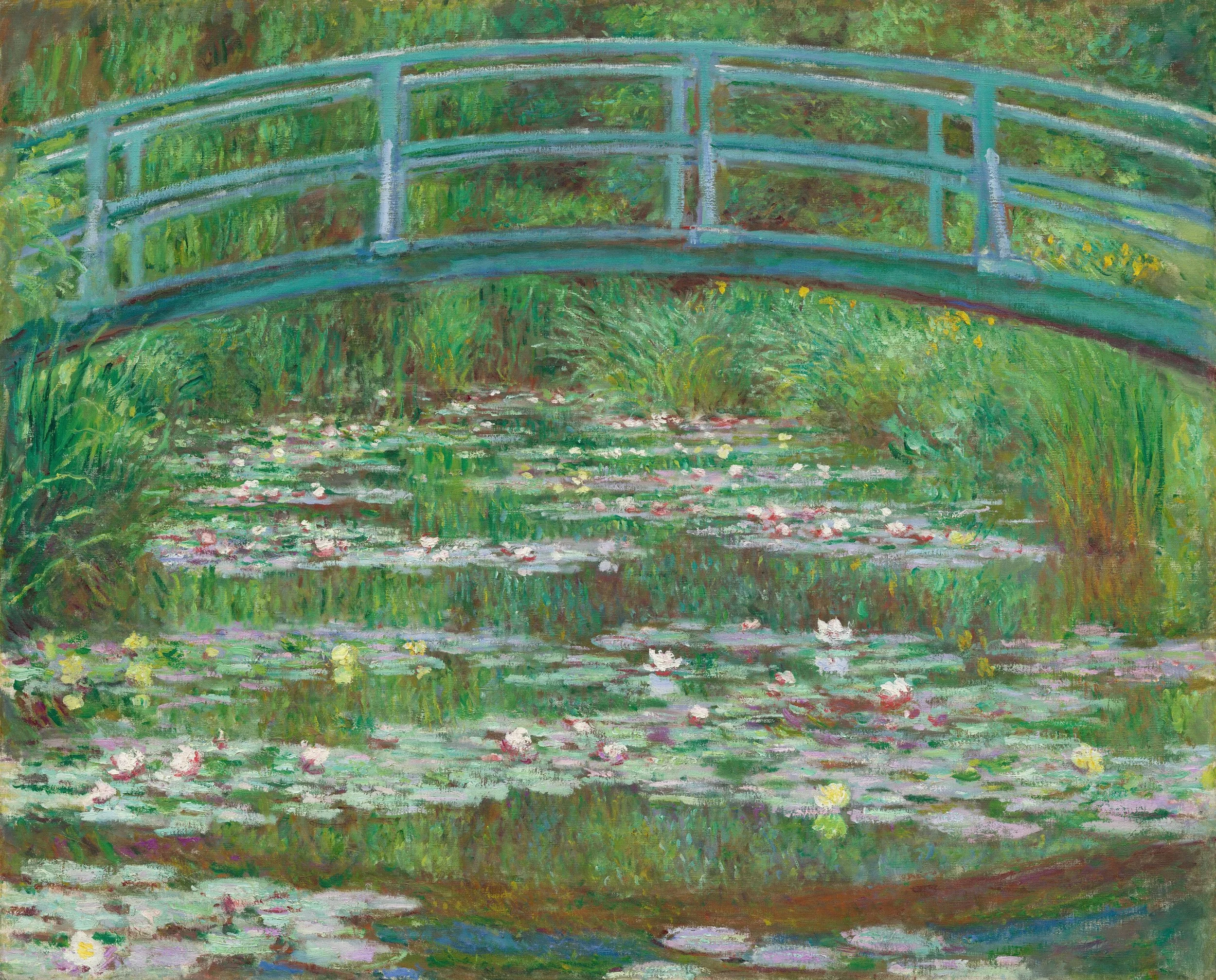
image: National Gallery of Art for Unsplash
I've helped authors write their memoirs, and it's always a tricky process, especially when fact-checking is involved. The more emotion is attached to a memory, the more likely it is to be distorted; we're looking at it through the lens of who we are now rather than who we were then. We assign emotions to our past experiences that were never part of them.
"When we make assumptions about how things were, it fuels our imaginations," says Miller. "We fill in the gaps with a story that may or may not be factually accurate. Our memories reconstruct events, rather than reproducing them."
So what is memory? Here’s the thing: it’s an act of imagination, not of retrieval.
Like most novelists, I imbue my characters with bits of my own experiences. Are those experiences real? Did they even happen? It isn't particularly important to me: I'm constructing another person's life, and often my "memory" is just a starting-point for creating something rich and meaningful. But I think it's important to be clear-eyed about the process.
In my poetry workshop, I've seen participants listen to critiques and then say, "but that's not how it happened!" What they're not understanding is it doesn't matter how it happened; what matters is creating an effective poem. Standing rigidly by the "facts" of a memory doesn't always make for a good poem—never mind that it doesn't even tell a factual story, either.
Stories exist to pass on truths, not facts, as my journalist friend Daniel Rosenbaum once wisely told me. What matters is what the reader can take away and incorporate into their own lives. What matters is creating something new out of old thoughts and half-formulated ideas, the detritus of lives, of lost loves and lost aspirations.
Ranganath implies it's how great paintings are made. It's also how great literature is made. We may want to "try to remember the kind of September/when life was slow and oh so mellow," but accepting that it's an aspiration rather than a memory will free us from the constraints of what we think we know... and allow us to create something even more beautiful now.

image: Johnny Cohen for Unsplash