
Future Imperfect
image: Souandre Santana for Pixabay
I’ll be honest with you. I am afraid of what is to come. I listen to long-dead voices, and I am afraid.
My mother, a child during the Great Depression, never experienced food security until becoming an adult. During the 1930s in Florida, she lived with her uncle—one of the few in the extended family who actually had a job; other unemployed family and friends came to eat there—and decades later she would get ill at the sight or odor of baked beans, one of the dishes her aunt made frequently because it could stretch to feed many.
Throughout their marriage, my parents never wanted for anything—to the contrary, they were quite well off, I grew up in a beautiful fairytale house. And yet my mother could not stop herself from buying canned food—shelves and shelves of it, ready for the day, the moment, when hunger would return. When she died, her cellar shelves were cobwebbed, the cans rusted and long-decades expired.
I think of her often these days.
I am frightened. Many of us are frightened. But I have an advantage, if you can call it that: I’ve studied this, I can already map our futures through the stories of history, stories of war, occupation, hunger, fear. I know what is to come, and I know how terrible it will be.
And why should it not? What we’re looking at is already the reality for many people on the planet. Millions of people have been displaced due to violence and conflict. Millions more will be on their heels, as climate change makes more and more places uninhabitable through rising seas, droughts, and wildfires. Thousands of children are recruited and used in armed conflicts across the world. Those of us who haven’t had to live with war or starvation as part of our daily lives have been blessed.
Closer to home, it’s nearly as bad. There should not be homelessness in the richest country on earth, and yet tonight hundreds of thousands of people will be sleeping in doorways, under bridges, in places where they’re told their very existence is illegal. There should not be hunger in the richest country on earth, and yet tonight, everywhere, children will eat a box of raisins for supper.
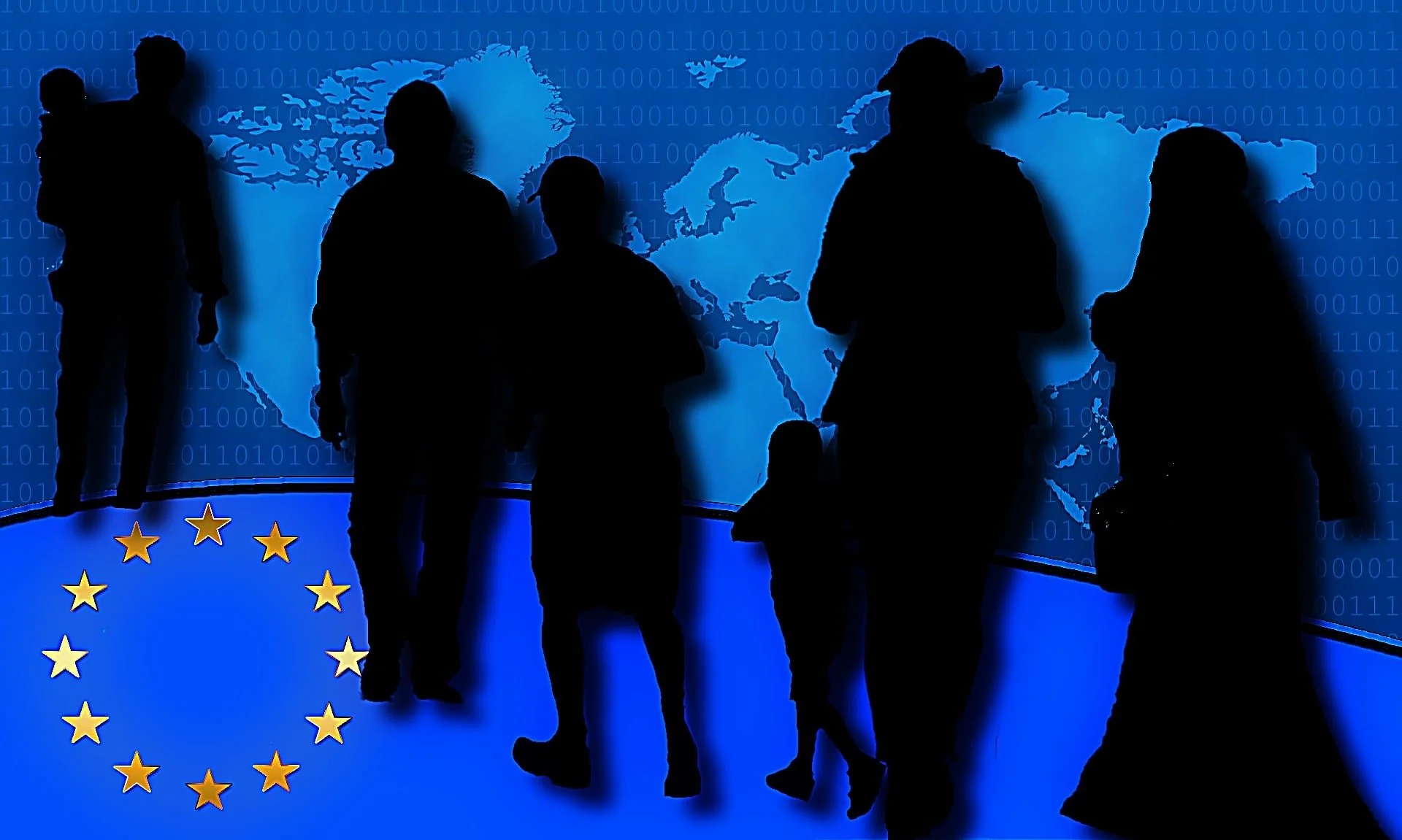
Image: Kalhh for Pixabay
Those of us with privilege have forgotten that we have privilege. We became complacent. We thought we had all the time in the world to fix things.
We have run out of time.
I don’t know exactly what will happen in the next few years, or in the years to come. Vladimir Putin’s Russian Empire Revival Tour will affect many more countries. The United States has been in some ways irreversibly damaged; the world, too, will have to find new ways of being, new ways of protecting itself, as a former friend has turned on them and trust can never be regained. I don’t know how many people will be deported, how many children will die, how many lives will be ruined. The people currently in control have made it evident that they don’t care.
I am hoping that envisioning a future is not impossible, though on my bad days I am doubtful of it.
And yet in the midst of all this fear, all this cynicism, all this despair, I am still reaching to find hope. Hope that small, distant voices can be heard. Hope that kindness and generosity of spirit are not only possible, but on the rise. Hope that the good of the community will prevail over the greed of individuals. Hope that violence will not forever engender more violence. I have to reach for hope, because without hope, there is only despair. And to despair is to die.
So yes, I am afraid. But privilege isn’t forever. Hatred isn’t forever. Fear isn’t forever. Hope… just might be. I am coming to believe in a future imperfect—not the one we want, perhaps, but the one we’re offered, the one we can create.
And that could be enough.
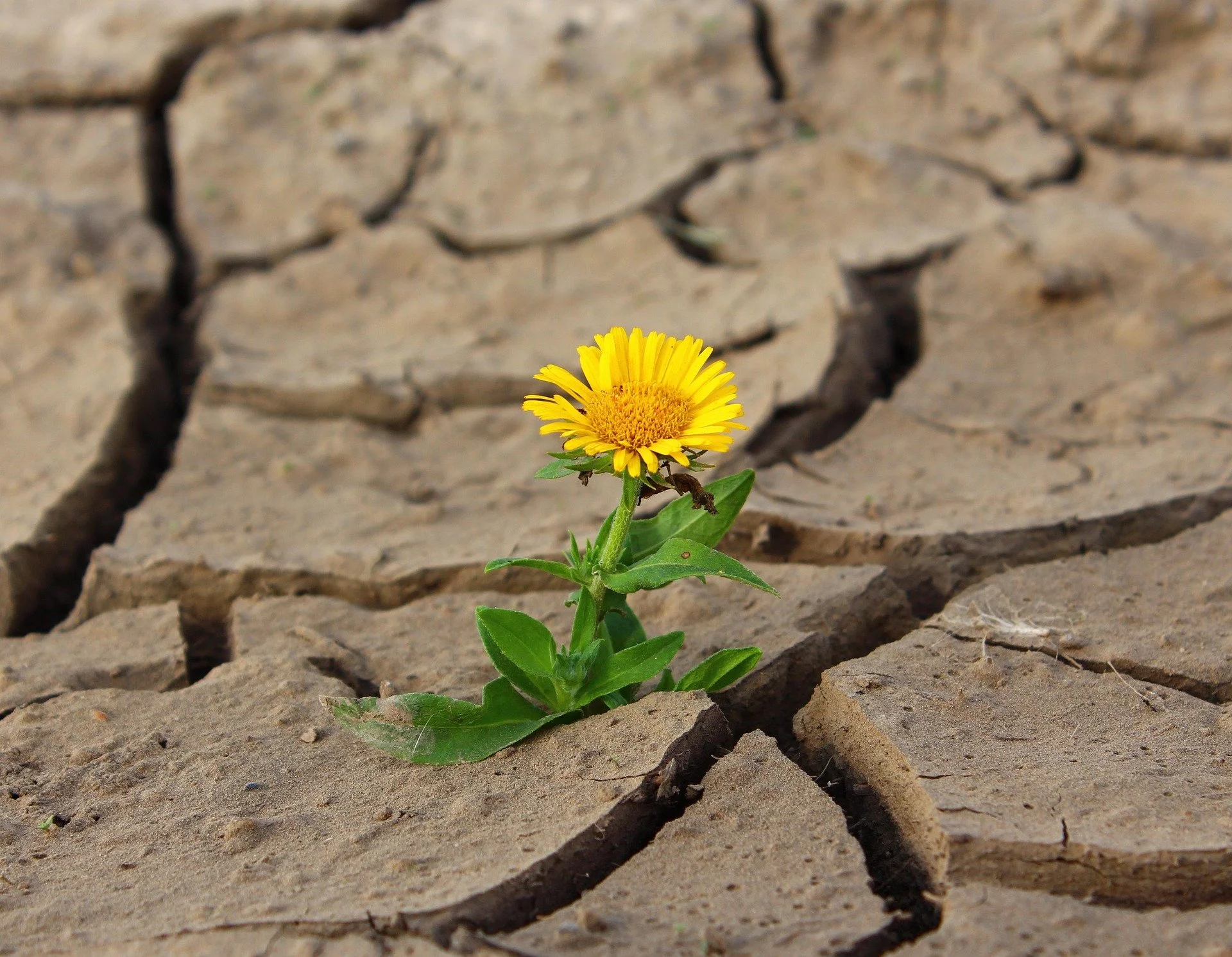
image: Klimkin for Pixabay