
Books Like This Cannot be Useless
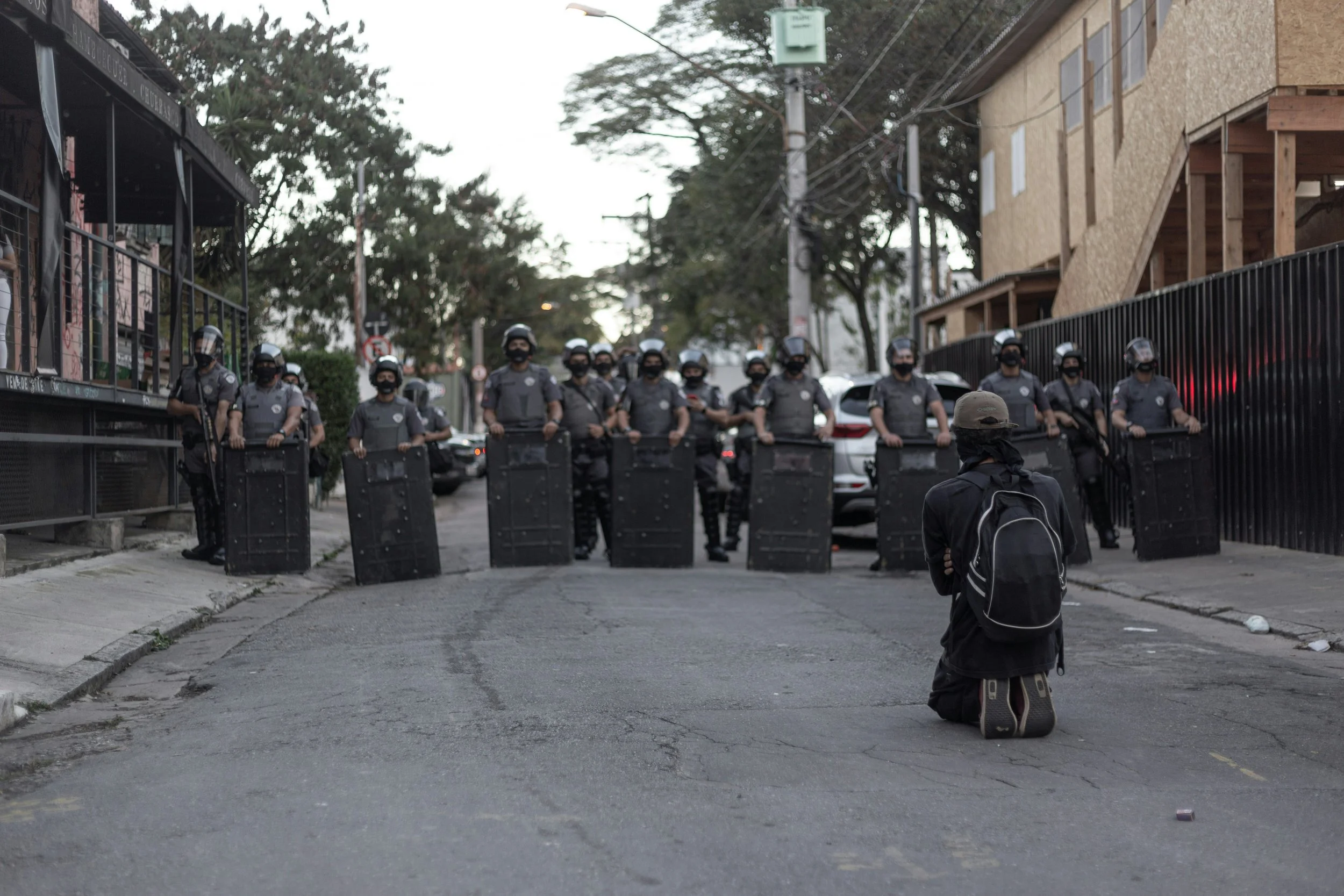
image: Rogerio S. for Unsplash
Whatever you think of Les Mis as a show (okay, okay...), remember it stands for a time when the fear and courage and cowardice were very real. Imagine spending an evening with your people, you tribe, knowing full well that tomorrow you will rise and get to the barricades and very possibly suffer and die. Sit with that feeling for a moment.
These people put their lives on the line to create a better world. Like the wonderful generous amazing folks in Minneapolis and elsewhere who risk everything to fight the current wave of repression and violence.
So take a moment now and imagine it. Imagine the lead in your stomach. Imagine the sleepless nights. Imagine that cold gray dawn breaking and you working up to the probability that this is the day you won't make it home.
And once you've imagined it, your world will never be the same.
I've been extraordinarily lucky. I was born white in a world where white people have all the advantages. I've acquired and benefitted from an extraordinary education, from the convent school in France through Yale and Boston University. I'm able to make a living doing what I love (an extraordinary gift right there), so I don't ever have to go to bed hungry, or worry that I might lose the roof over my head or make this month's car payment. That doesn't make me better; that makes me extremely fortunate.
What does this have to do with storytelling?
I read Les Misérables in the aforementioned convent school, and Hugo's words cut through my life of privilege and ease. His mixing of literature and history helped give me the foundation upon which I would later build to become a historical novelist. But his words were also prophetic:
So long as there shall exist, by reason of law and custom, a social condemnation, which, in the face of civilization, artificially creates hells on earth, and complicates a destiny that is divine with human fatality; so long as the three problems of the age—the degradation of man by poverty, the ruin of women by starvation, and the dwarfing of childhood by physical and spiritual night—are not solved; so long as, in certain regions, social asphyxia shall be possible; in other words, and from a yet more extended point of view, so long as ignorance and misery remain on earth, books like this cannot be useless.
"Books like this cannot be useless." And that is why I read, and that is why I write. We tell stores to stay connected to each other, but also to the principles we want to see manifested in the world. If we lose those connections, then we've lost our humanity.
So: imagine it. Imagine that night before, the butterflies in your stomach, the false bravado you put on for your friends, the last thoughts and memories and regrets that will all be swept up into apparent uselessness when you set out the next morning. Hugo is here to remind us that it's not useless, it's never useless, because it's what makes the life we have worth living and a gift to others—in the here-and-now, and for centuries to come.
image: Andrej Lisakov for Unsplash