
Finding Your Rituals in the New Normal
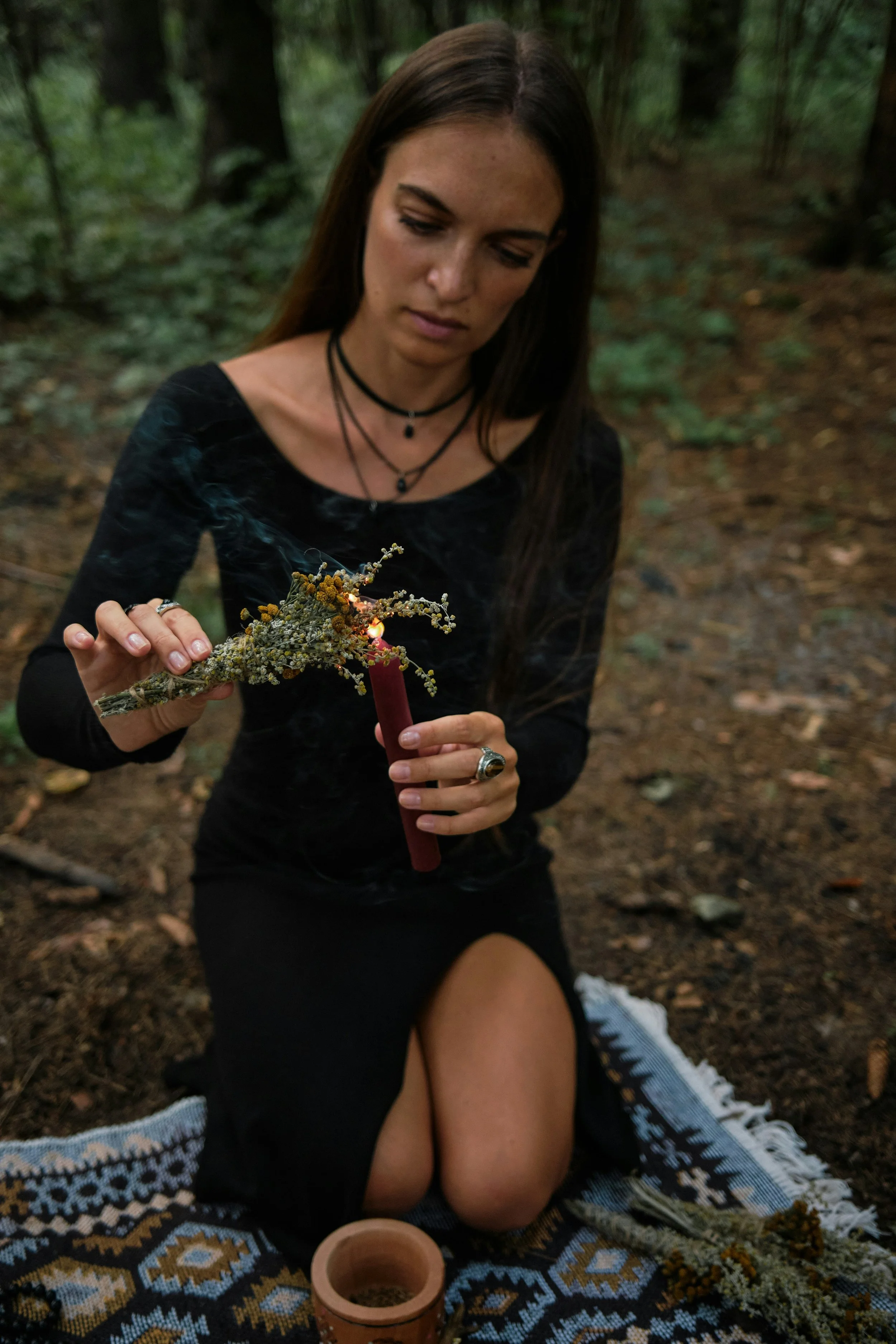
image: Andrej Lisakov for Unsplash
The New Normal, as we all have had to admit and understand, is that our world and to a great extent our personal lives have entered a time of chaos. We're unable to discern how long this chaos will last, and it's been difficult to find agency for change within the scope of our lives when seismic shifts are going on all around us. I look to other chaotic times in world history, and I am not reassured. This isn't going to get fixed next year or—I'd guess—even next decade.
But talking about the macro world we live in and feeling its despair overlooks the ways that in our micro worlds we can still find a modicum of peace. And as someone who has studied both history and liturgy, I can offer one possible option: secure some rituals that give you peace, or strength, or courage, or whatever it is you need most.
Rituals aren't the same thing as habits. A habit is an activity you've repeated so frequently that it's become automatic. You don't think much about your habits; you just do them. Brushing your teeth. Having something sweet after dinner. Taking off your shoes when you come into the house. Add a splash of milk to your tea. None of this takes any scrutiny or attention; the only time you're aware of your habit is when something disrupts it—you've run out of milk, perhaps, or the weather is too beastly to go for your morning walk.
A ritual is the opposite of a habit, because it requires your full focus, your full presence, your full attention. A ritual is something you decide needs to be part of your life, something you're ready to give up other things for. We tend to think of rituals in two ways, either as religious observances of as self-help aids. And they can be both of those things for sure; but you might also want to select one or two new rituals to add to your life that might make a difference in how you feel about the rapidly changing world around you.
No one likes change. People who say they like change don't, not really: they are just not as bothered by it as the rest of us. When things start moving too fast, and in a direction we don't like, fleeting moments of peace are hard to come by.
So we must create them.
What we need most are temporal structures that stabilize life. When everything is short-term, life loses all stability. Stability comes over long stretches of time: faithfulness, bonds, integrity, commitment, promises, trust. These are the social practices that hold a community together. They all have a ritual character. They all require a lot of time. Today’s terror of short-termism—which, with fatal consequences, we mistake for freedom—destroys the practices that require time.
To combat this terror, we need a very different temporal politics.
Rituals can be defined as temporal technologies for housing oneself. They turn being in the world into being at home. Rituals are in time as things are in space. They stabilize life by structuring time. They give us festive spaces, so to speak, spaces we can enter in celebration.
As temporal structures, rituals arrest time. Temporal spaces we can enter in celebration do not pass away. Without such temporal structures, time becomes a torrent that tears us apart from each other and away from ourselves. (Byung-Chul Han)
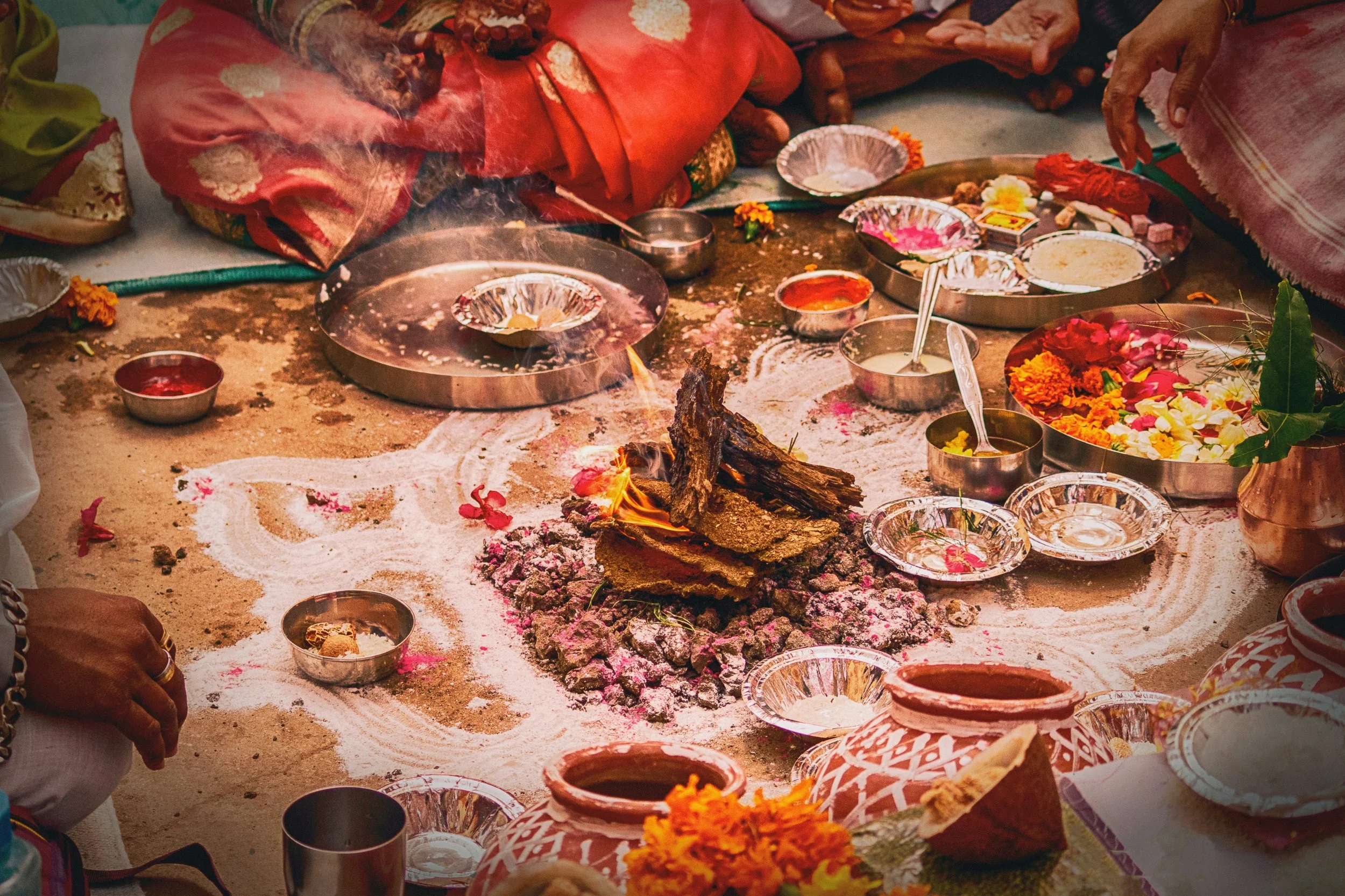
image: Vivek Doshi for Unsplash
Rituals are derived from the discomfort of liminal spaces. Many rituals that are centuries old marked times of change: birth, coming of age, marriage, changing jobs, death, even simply the changing of seasons... all these liminal spaces in which we pass from one thing into another were ritualized, and therefore not feared (or at least not feared as much!).
I would argue that we're all living uncomfortably in a liminal space right now. The chaos and poor choices and violence of many present-day political systems isolate us and turn us against each other. I wish there were a ritual grand enough that everyone could participate, be drawn into, find comfort in some chant or behavior that allows us to feel grounded and connected. Failing that, we need to each find and establish some ritual that will help us get through this very long night.
Habits are helpful, of course. And you can establish new habits that are useful in regrouping with what is important to you. Not reading the news every morning is an excellent such habit. Volunteering at a food pantry or recreation program or senior center will give you a sense of agency and bring you out of yourself. Regularly donating what you can to organizations pushing back against the darkness is another good habit.
Creating a ritual is clearing space in your mind, soul, and schedule for a deliberate act. For those of us who follow a religious tradition, a great many rituals that are already in the liturgy can be incorporated in our daily lives. I am Catholic and have made an evening ritual of lighting candles, doing the Ignatian Examen, and praying. I do this in the liminal time of dusk, before darkness engulfs the community, and I pray for our safety. Your religious tradition may have a ritual you can adapt for one person, or you can use some of its teachings to create something new.
I carry ritual into my work, as well. I belong to a writing accountability group that meets five days a week for two hours. I have made it not just a workspace but also a ritual: before it begins, I clear my desk, make it inviting. I light a special candle that is my writing candle—that's important; if I were to use it in other contexts it would lose some of its ritual presence. I take several deep breaths and center myself, imagining what project I will be beginning or continuing in the next two hours. And only after I've done that will I sign on to the group.
After that, even when I struggle with the writing (as we all do!), it's still been sacred time, time to attend to my practice in spite of all the worries and fear that surround me. I've created what people who practice visualization would call a bubble of safety around myself.
You might think about ways you can incorporate a ritual into your life. To find a moment when you can make everything stand still, you can silence the voices, you can feel some stillness and—dare I say it?—sanity. I have not explored creating rituals with others outside of my religious practice, mostly because I am by nature solitary; but if you can find a community of like-minded people, every text I've ever read says that our rituals are amplified by the presence of community. That would be even better!
It's not going to change the world. But it may change you—and enable you, with the pattern of your rituals supporting you, to go out and make some small change in the chaos.
And that is everything.
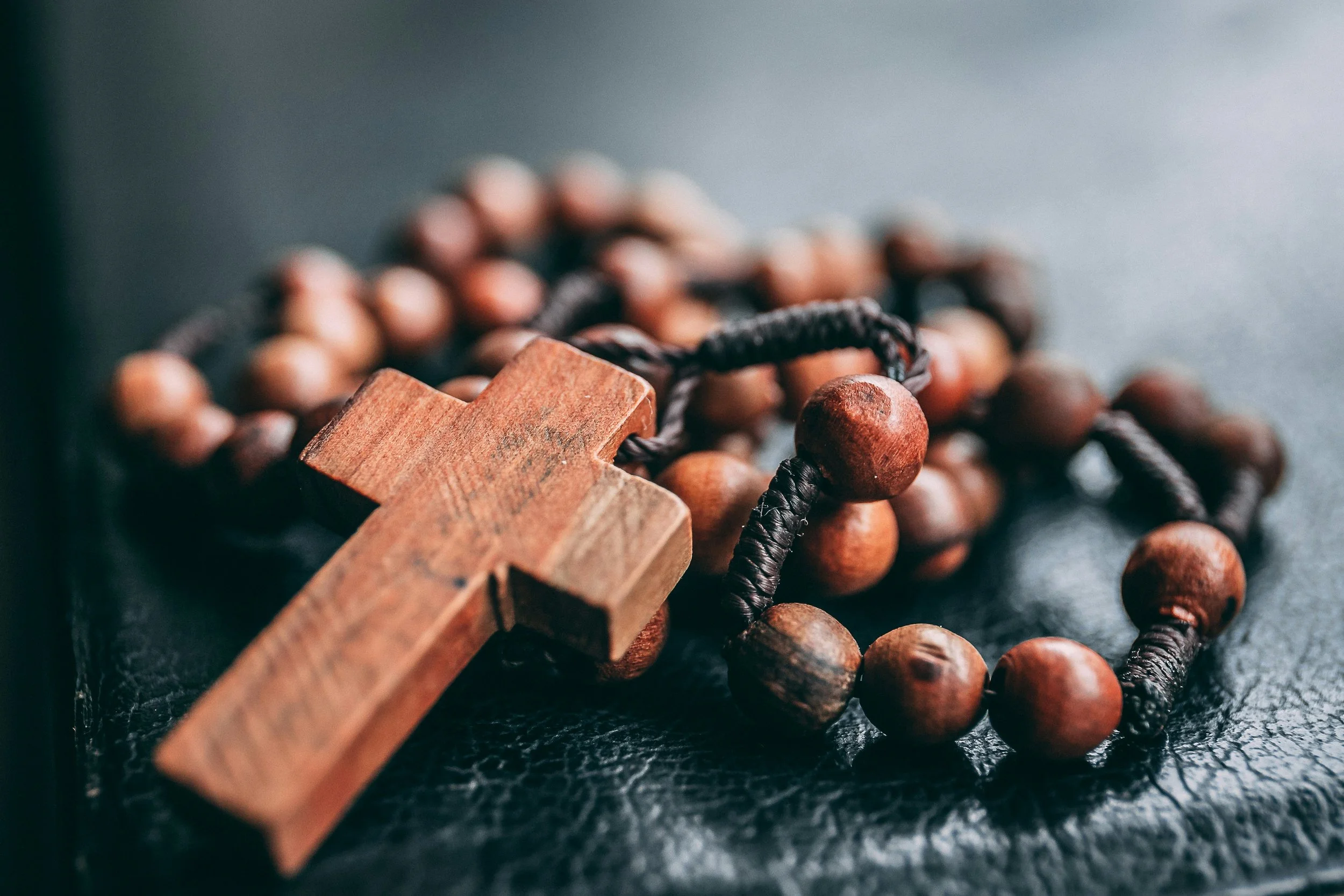
image: James Coleman for Unsplash
Jeannette de Beauvoir is a novelist and poet who lives and works at Land’s End—Provincetown, Massachusetts