
It’s not so foreign, after all

image: Toby Elliott for Unsplash
There's been a lot of talk, lately, about Vesuvius.
In certain circles, of course; not everybody reads the same publications I do. So the bare facts (and I promise we'll get back to storytelling in a few moments!) of the case are these: in CE 79, a volcano in the Campania region of Italy erupted and destroyed three major communities, Pompeii, Herculaneum, and Oplontis. Pompeii is the best-known; Oplontis—a popular resort town on the Gulf of Naples—the least.
I was fortunate enough to visit the area when I was—fifteen? Sixteen? Somewhere in there. At the time, Herculaneum was still being excavated, and wasn't the pristine tourist attraction it is today. We entered a bathhouse in which the central bath area had been uncovered, but nothing beyond it, and one immense doorway was completely blocked by lava.
It was black, of course, and was staying quite still; but it still gave me a feeling for the horror of being trapped in that room, looking at that doorway filled with molten rock coming at me, knowing there was no escape. The horror. The panic. The screams that must have filled that room, people scrambling to find a way out. Seeing it, even in such a small way, made it so real.
Herculaneum is near and dear to my heart, not just because of that experience, but also because it housed a significant library of close to one thousand scrolls, comprising more pages than the collected works of Shakespeare. Wait—don't touch them! From the first excavation in the 18th century, the scrolls were preserved in their current state; experts knew they'd crumble to dust if anyone attempted to unroll them (though, humanity being what it is, some tried anyway).
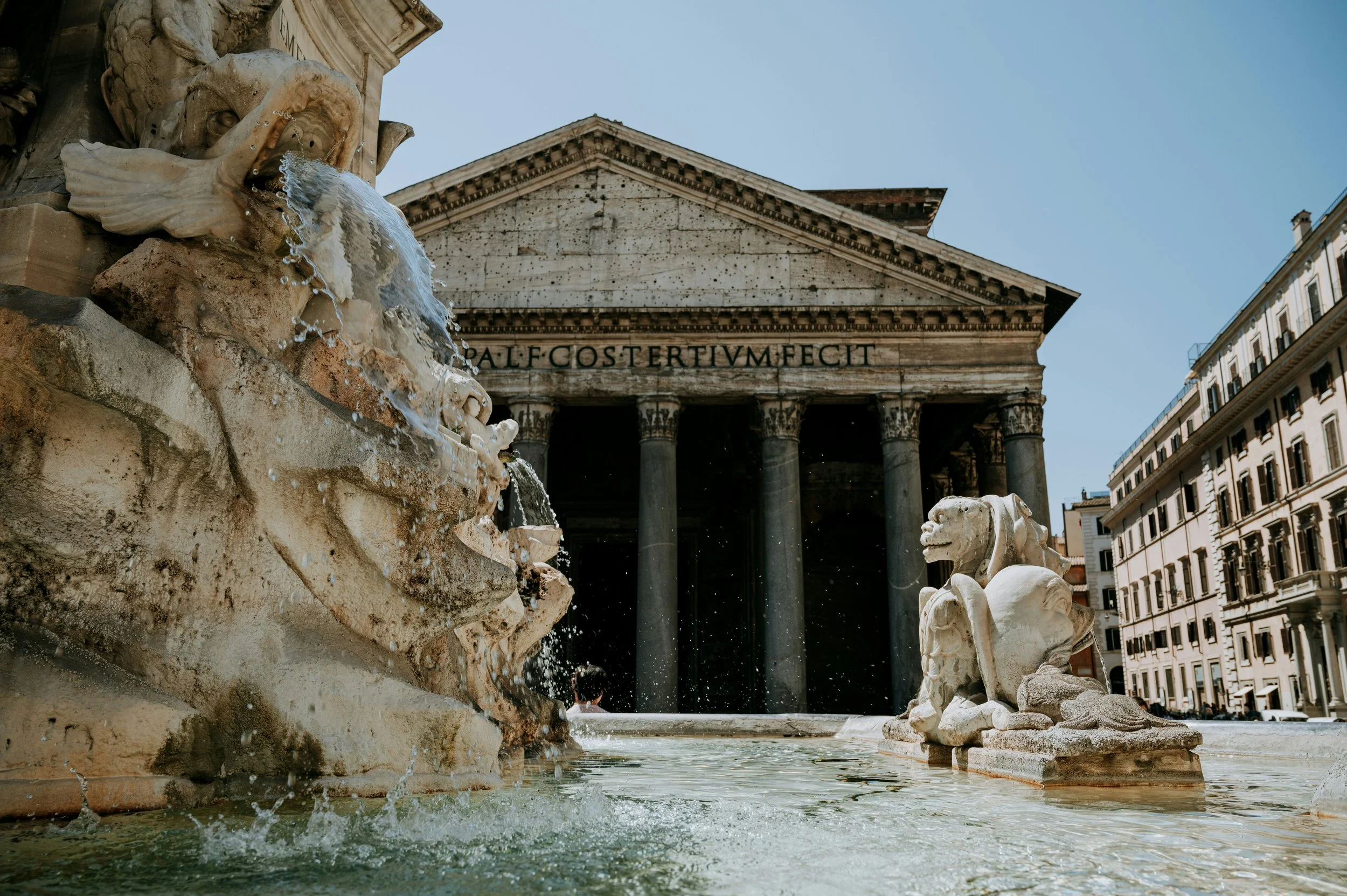
image: Virginia Marinova for Unsplash
Advances in technology came to the rescue: in 2023, Brent Seales of the University of Kentucky (with backing from Silicon Valley) launched the Vesuvius Challenge, offering significant cash prizes to anyone who could start decrypting the scrolls using artificial intelligence and 3D imaging. (Humanity being what it is—again—money produces results.)
And it worked. As we speak, scrolls are being scanned and analyzed, and have so far revealed themselves to be mostly the work of one Philodemus, a mid-level philosopher who wrote not just about his own thoughts (there's a particularly long section titled "on vice"), but also about daily life, about bakeries and barbershops, about getting drunk and initiating frivolous lawsuits, about perfumes and music.
And that's where we finally return to storytelling.
L.P. Hartley opened his novel The Go-Between with this famous phrase: "The past is a foreign country; they do things differently there." Philodemus's stories bring a town to life, its daily round of activities, the things and places that were important to the people living there, the stories they told, the laughter they shared. It's not all peaches and cream, but it's real.
And these are the stories that we need to be telling. Creating fiction that brings others into a world they may not have experienced first-hand. Showing them the details of life that are usually overlooked as writers go for plot twists and ingenious dénouements.
One day, I hope, someone in another time will open our books and see what our lives were about. But only if we tell them about our world... today.
And... frivolous lawsuits? Maybe the past isn't so foreign, after all.
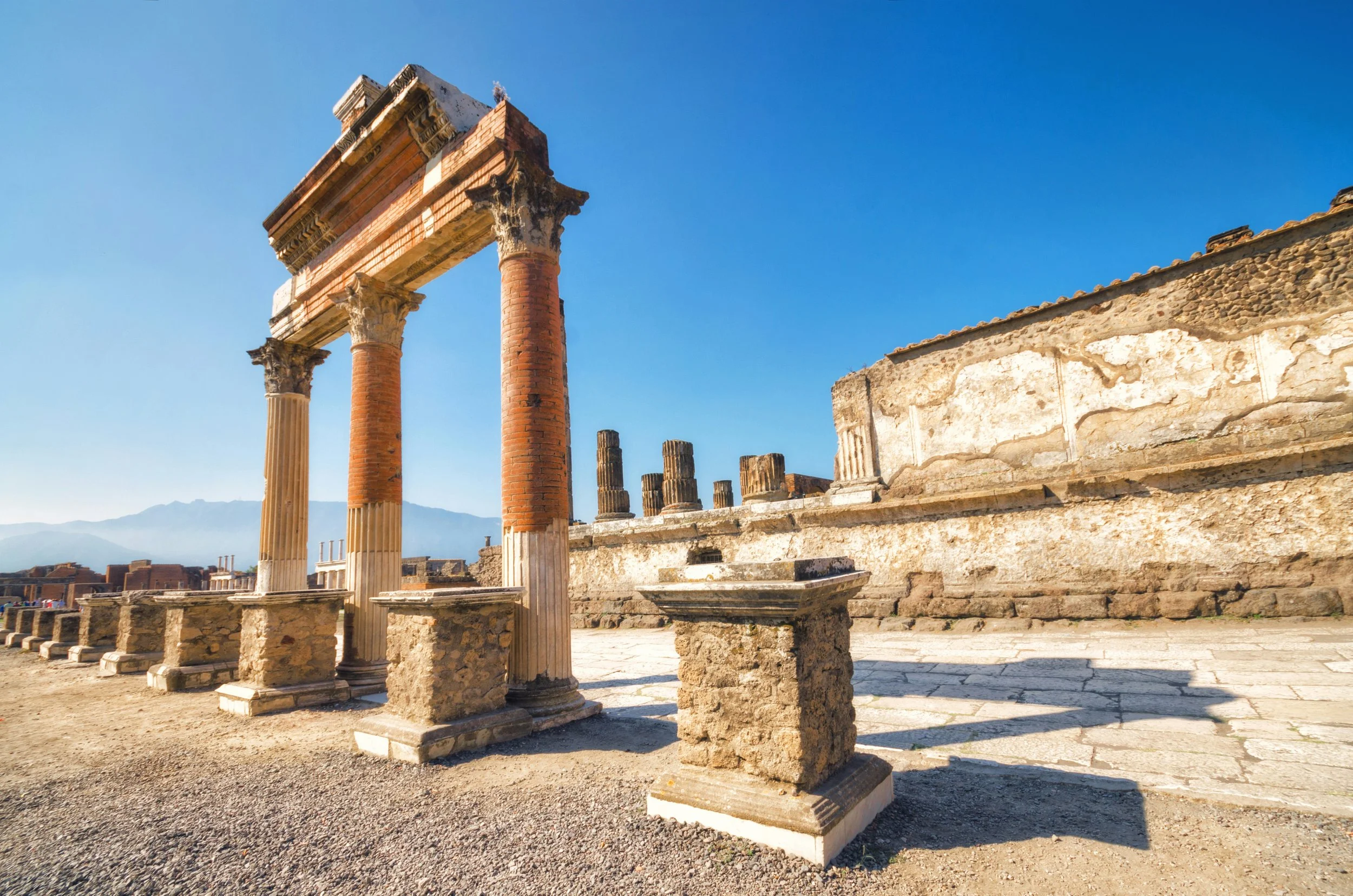
image: Getty Images for Unsplash