We’ve been here before
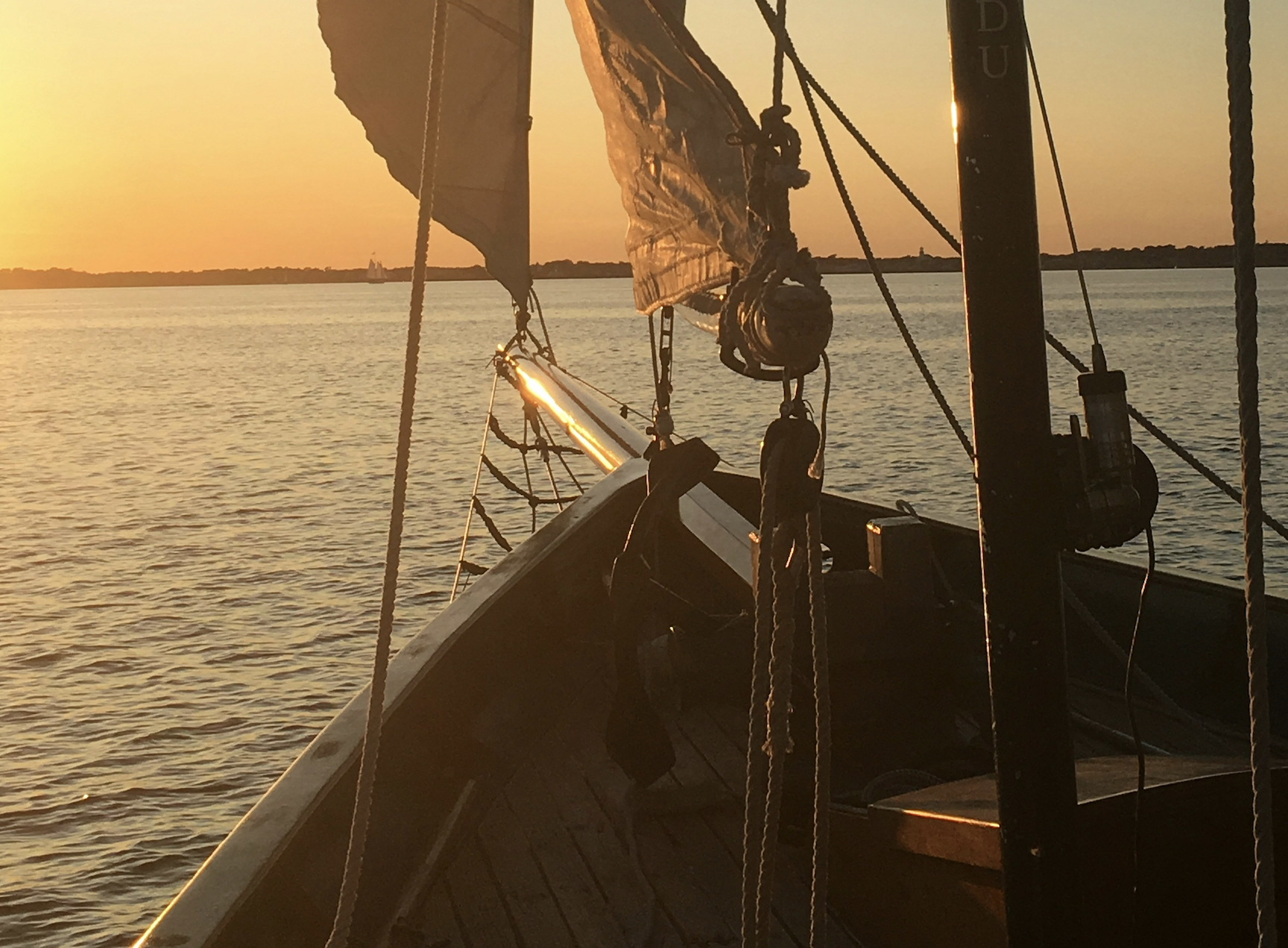
image: Jeannette de Beauvoir for Unsplash
As do other tribes native to the Americas, the Wampanoag Nation has a saying: "we have always been here." It's a decent reminder to any new arrivals who think they've "discovered" a place—and discount any lives, dreams, loves, and contributions of anyone already there. Their dream is the one that counts.
And others should be lucky that they've come to share that dream.
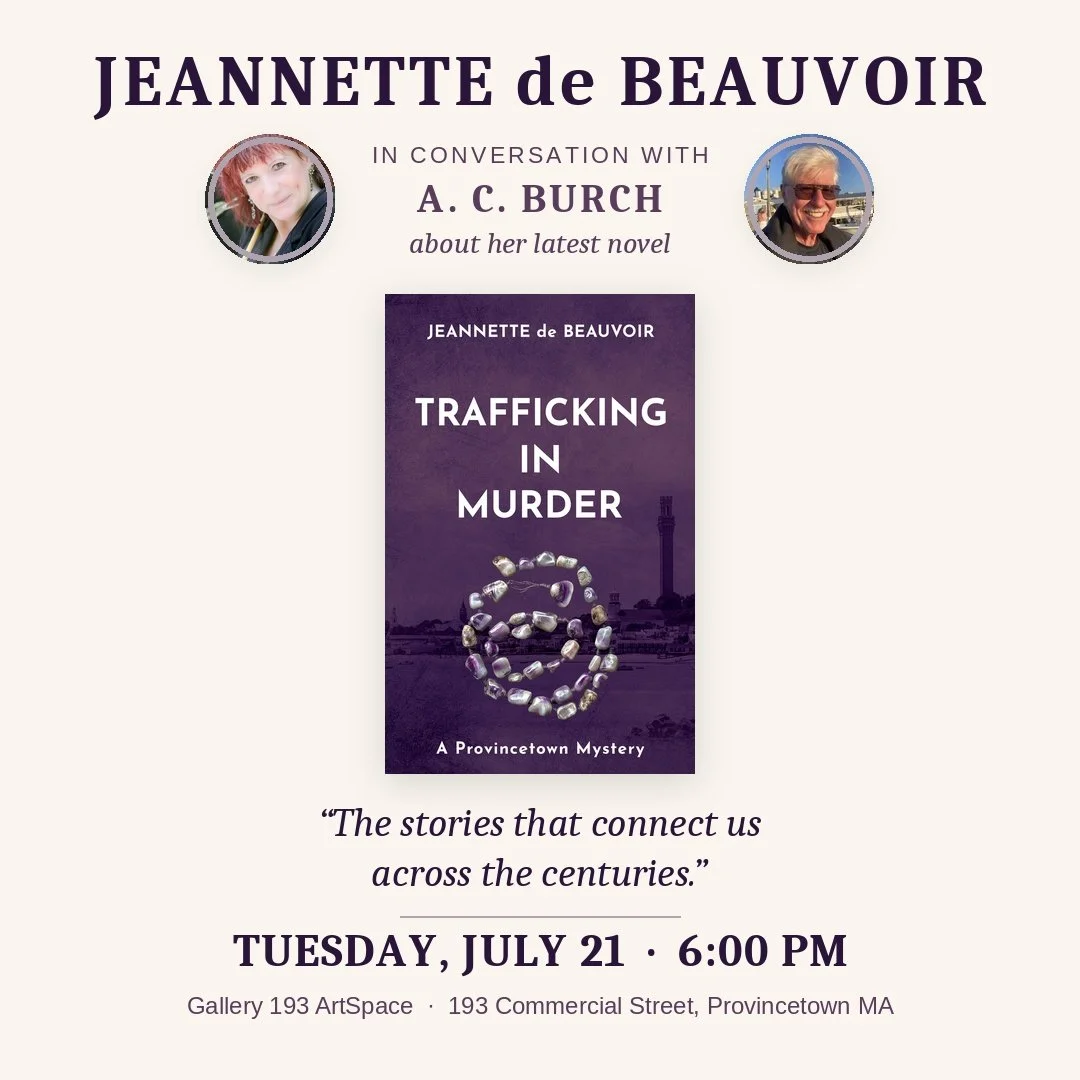
This attitude was one I wanted to share as part of the background of my new novel, Trafficking in Murder. Not because it's news—anyone with a cursory knowledge of history is aware of what happened to the native people across this continent when European settlers arrived and subsequently expanded "their" domain—but because it's a place where as an author I might have some small agency.
And I'm not just talking about the Wampanoag. Of course I hope that anyone reading the book who isn't familiar with the violence and death that accompanied the Mayflower (Provincetown's pride and joy) and subsequent ventures will learn something about tribal life. My primary job as a writer is to touch hearts, and I want the Wampanoag to start living in others' hearts. But there's also another thing I needed to highlight... something much closer to home, or at least to my little corner of home.
Life isn't static anywhere, and that's as it should be. New generations have different needs and desires and the right to try and get them met; new technologies are developed and in the best of all possible worlds are used for the good. As we age, we mourn what's been lost, and those losses are especially apparent in a place like Provincetown that has such clear layers of life to excavate. This is where the Wampanoag fished and cooked and loved and lived before having it stolen from them. This is where men set sail to kill whales whose oil brought riches. This is where, attracted by the light and deprived of other creative spaces, artists and writers came to found an art colony and flourish. This is where generations of Portuguese families settled to fish the plentiful waters of Stellwagen Bank. This is where tourists landed on beaches and queer people found a place where they didn't need to hide who they were. And those of us who live here now live with that rich, often violent, sometimes magical history.
That kind of change is inevitable. But our first history, the most violent of all, is repeating itself, and that is neither inevitable nor normal.
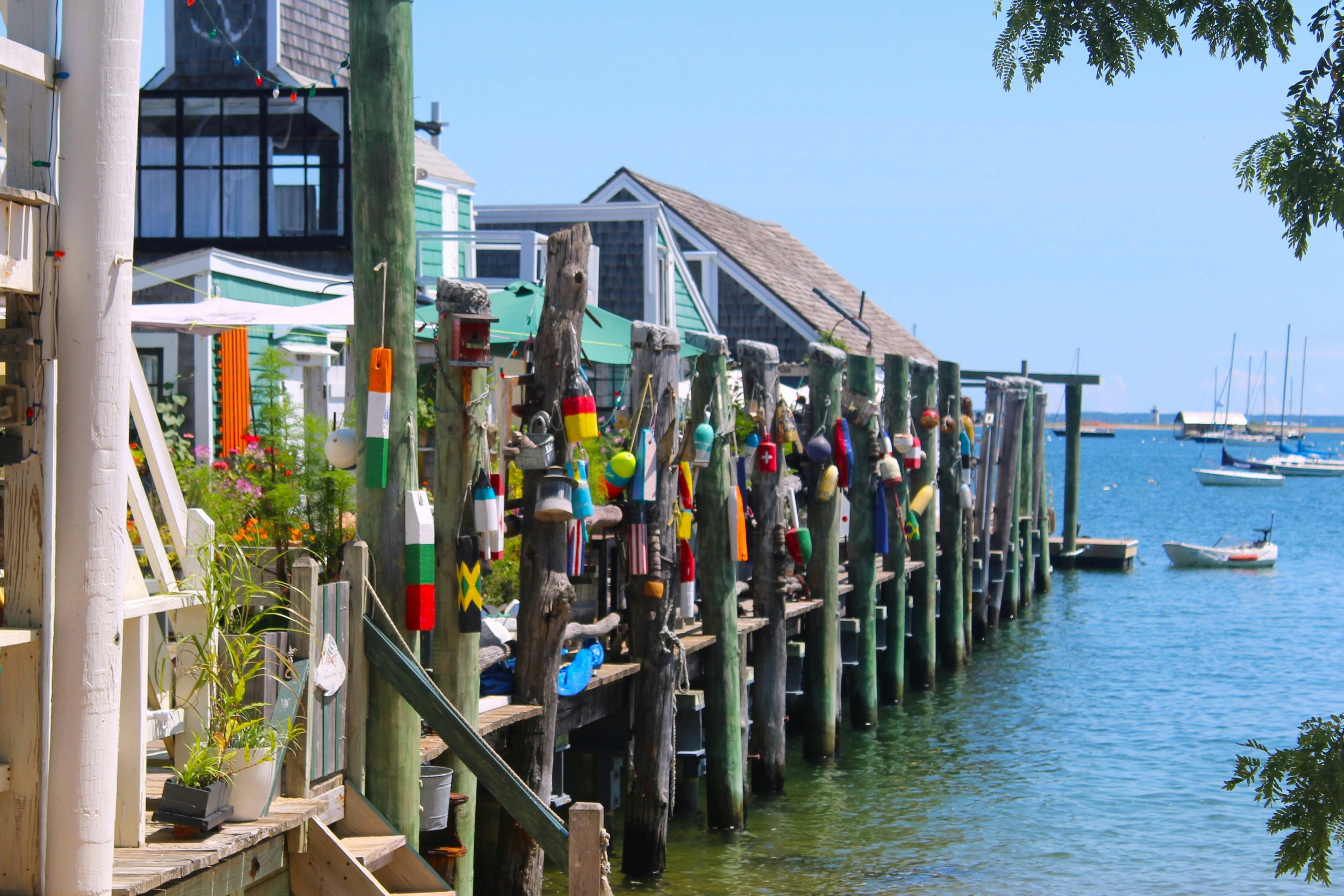
image: Tyler Butler for Unsplash
The first colonists didn't see their land-grab as merely taking what they wanted; they too had a dream, and wanted it to come to fruition here. They practiced a very specific brand of Christianity they wanted to see become the de facto religion of all. To them, "educating" the "savages" who lived here was an important part of the process. They came with a dream that they thought was better than anyone else's dreams, and they imposed it on everyone who already lived here, people living out an entirely different dream.
And so to 2026, and a new land-grab, and a new set of dreams imposed on people who never asked for it. Tucked away behind the inevitable corporate structures are individuals—one in particular—who want to "improve" Provincetown, who have a dream of making it shiny and new and a beautiful playground for the uber-wealthy. They Instagram their lives to show how beautiful they are and to offer the opportunity for others to admire them.
Yet again, no one asked the people with deep roots in the community whether this is what they want. These individuals want it, and they are out to convert just as surely as were the Pilgrims. This time, we are the "savages" who don't know what's good for us, and by God, they're going to show us. They're destroying the charm of the town, but they're also taking agency from its inhabitants. We should be lucky, they imply, that we can live on the periphery of their dream.
That is part of Trafficking in Murder, too: an invitation to see beyond the shiny new toys offered by the invaders, a call to do something about it before it's too late.
It's what I'll be talking about tomorrow evening and—I hope—for many more conversations to come. I hope you can join me
Mostly, though, I hope you'll listen. Knowing our history isn't enough to save Provincetown, but it can remind us of the price we're going to pay.