
How Much Do Fictional Characters Reflect Their Authors?
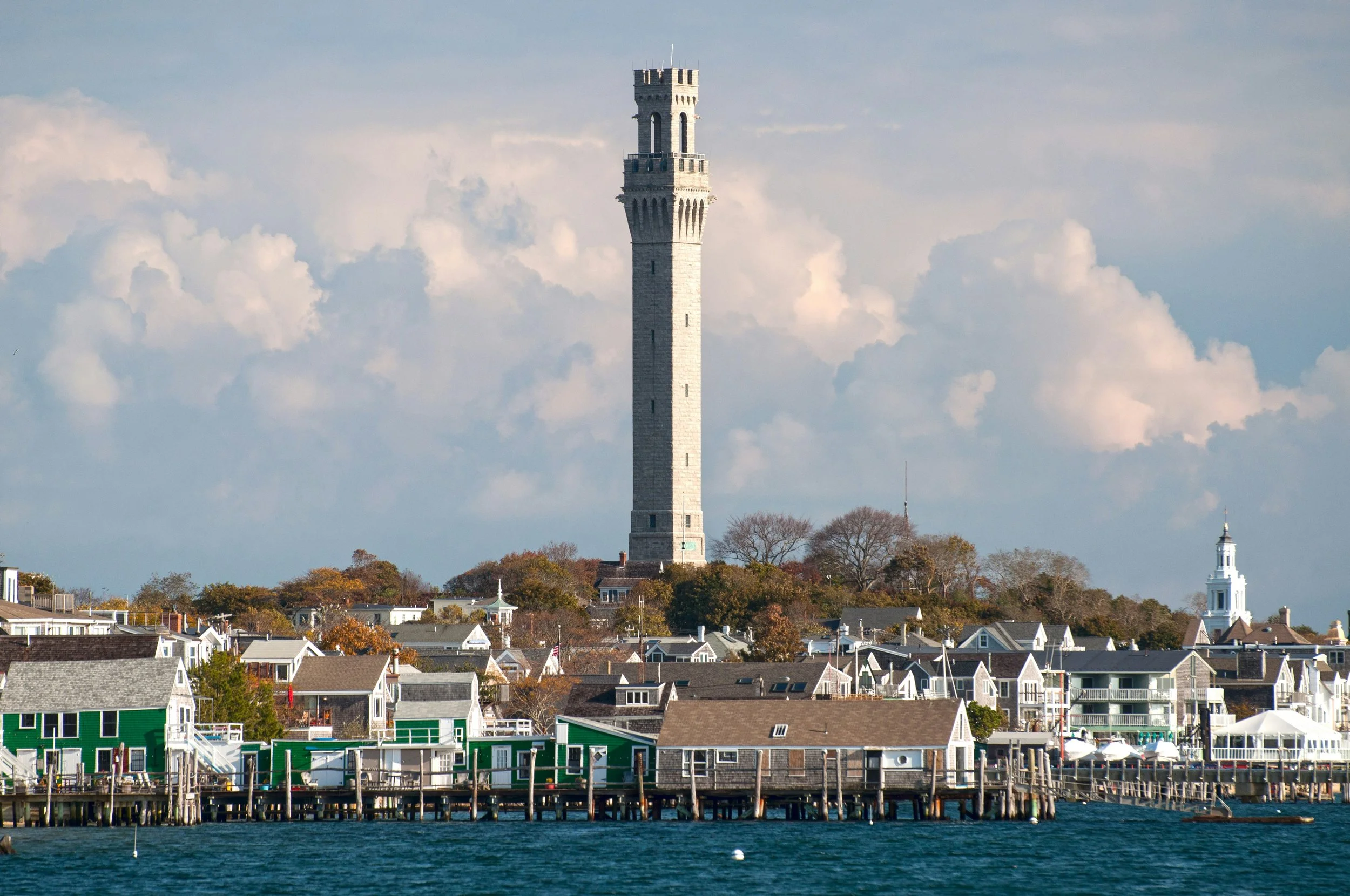
image: Ruth Curtis for Unsplash
My neighbor Tony is an ardent fan of my writing. He liked Martine LeDuc, the protagonist in my Montréal series, and a few other random characters; but the one he really loves is Sydney Riley, who stars in my current Provincetown mystery series. And his constant question to me is, how much of me is in Sydney.
It’s a good question. Obviously I’m not writing a roman à clef (for a start, I’ve never in my life stumbled over a dead body!), but there’s certainly a temptation to follow the dictum of writing what one knows when creating characters. To some extent, there’s a little of me in every character I introduce to my readers—and, occasionally, more than just a little.
It’s easy to do—create someone who has your own likes and dislikes, who shares some life experiences, who looks and feels familiar—but it’s also just a bit lazy. In fact, it’s the opportunity to create characters totally unlike yourself that’s one of the joys of writing fiction. Through my characters, I get to explore careers, travels, thoughts, friendships, education, politics, and so many experiences I’ll never myself have. It’s a lot of fun writing someone into being who is very different from yourself.
Protagonists, though, are a different kettle of fish. Especially if you’re writing a series, and even more especially if, like me, you’re writing your protagonist’s narrative in the first person: that’s a deeper connection. You live with your protagonist. You get to know them, all the intimate details of their life, all their successes and failures. And you need to show them grow and change and live. Write someone who is too different from yourself and you could run out of plausible thoughts and actions and changes.
Obviously Sydney shares a lot with me. We both live in Provincetown. We both are blessed to have a wide range of friends and acquaintances. We like some (though not all) of the same restaurants and foods and entertainment. We both had cats named for playwrights—my late feline was Beckett, Sydney’s is Ibsen. We both drove ancient Hondas we called the Little Green Car. Sydney always has an emergency bottle of Côtes du Rhône stashed in her cupboard; moi aussi. So that points to a lot of me being in Sydney.

This is how I imagine Sydney! (Yes, I used AI)
I should add that I’m not alone: many authors bake themselves, or facets of themselves, into their characters.
Take mysteries. Sara Paretsky’s successful V.I. Warshawski series is a good example. Paretsky and Warshawski share a love of Chicago, and enjoy the same foods and adult beverages. Or if we think about the horror genre, Stephen King has always infused many of his own fears—spiders, snakes, the elevator in his hotel room, death—into his characters.
Sometimes the characters we create are able to carry off a part of us we don’t generally share with others. Sydney has a sharp tongue and sarcastic wit—there are so many things in life that I think, but would never dare say; she’s fine with saying them out loud. And sometimes it’s about being better or stronger than we ourselves are: Sydney takes things on, facing them squarely, even difficult situations; I tend to panic and procrastinate when I have to open a letter from the IRS. She’s a lot braver than I am.
Maybe when I grow up I’ll be more like her; I live in hope.

image: Getty Images for Unsplash