
Thoughts
I write a lot. Essays. Articles. Blog posts. All of them sharing what I’m thinking about. Maybe you think about these things, too.
Why AI Can’t Write Poetry
The rest of the bot’s writing is about on a par with its poetry, but the latter stands out because poetry appeals to more than just the brain: it’s an echo of lived experience, a reaction to the world’s constant change. So many poems illuminate the struggle we experience when life takes us in a different direction than the one we’d planned. Our hopes and desires are often thwarted and poetry gives word and life to the pain that ensues.
Where Do We Find Meaning?
We're outsourcing the activities that give meaning to our lives. Most of us look for what we might call "meaning opportunities": places where we can do good, or create something, or exercise empathy. What happens when those are the very opportunities taken over by something that is non-sentient? What takes their place in our lives?
It’s All About the Storms
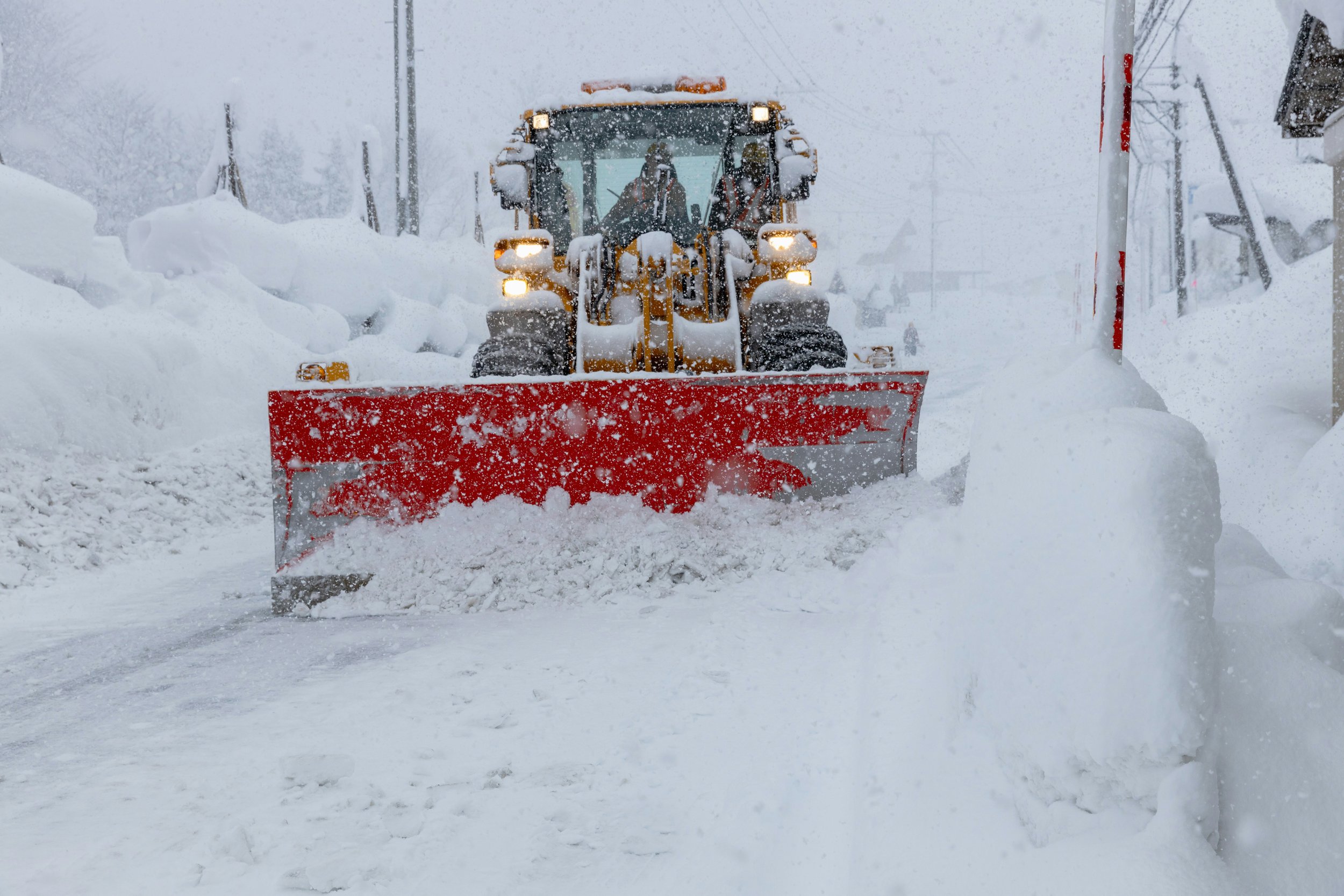
It might be too obvious a metaphor, but I’m going for it anyway: the last few weeks and months, we’ve all been inundated with the daily rapid-fire shocking news that comes out of a regime whose principal goal appears to be creating chaos. The storm is shielding me from all that today.

Television to the Rescue!
We cannot always be protesting, writing signs and letters, calling our legislators. We must do all those things, and more; but we also need to step back from them so we're healthy enough to stay the course.

Who Will Write Tomorrow's Great Literature?
Literature is born out of a balance of that frustration and the utter joy one feels when the work does come together. When the practice ceases to be part of the creative process, that disconnect means that deep thoughts cannot find their way into literature.

The Story's The Thing
I’m always talking about how the stories we tell and the stories we read or hear or view both reflect and shape who we are. Usually I’m talking about enlightenment—learning something about ourselves, delving into issues such as pain or love or agency. But sometimes, the stories teach us facts.

Why Read Stories?
How can you develop empathy? Read stories! Stories—whether fiction or nonfiction—invite you into someone else’s life. They allow you to feel pain and sorrow, joy and transformation; to love deeply and hate just as deeply; to achieve and to fail.

The Marvelously, Impossibly Dark Magic of Twin Peaks
I’m all for escapism at the moment, and recently I managed to dig out my DVD set of the original David Lynch Twin Peaks series that became such a cult classic. And it drew me in all over again. I’m not a film-maker, but I am a fellow storyteller, and this time around I didn’t just immerse myself in its magic, but tried to analyze how it did what it did.

New England Authors interview
Join Jeannette as she discusses books, writing, and Provincetown with author and publisher Kameel Nasr!

Opening Your Story
The first rule of opening a story is to start the way you mean to continue. Your first few sentences should capture the voice that you’ll be using to tell the rest of the story. They should also present a point of view, a hint of characterization, and the beginnings of your plot. The opening is what gives the reader direction and momentum.